

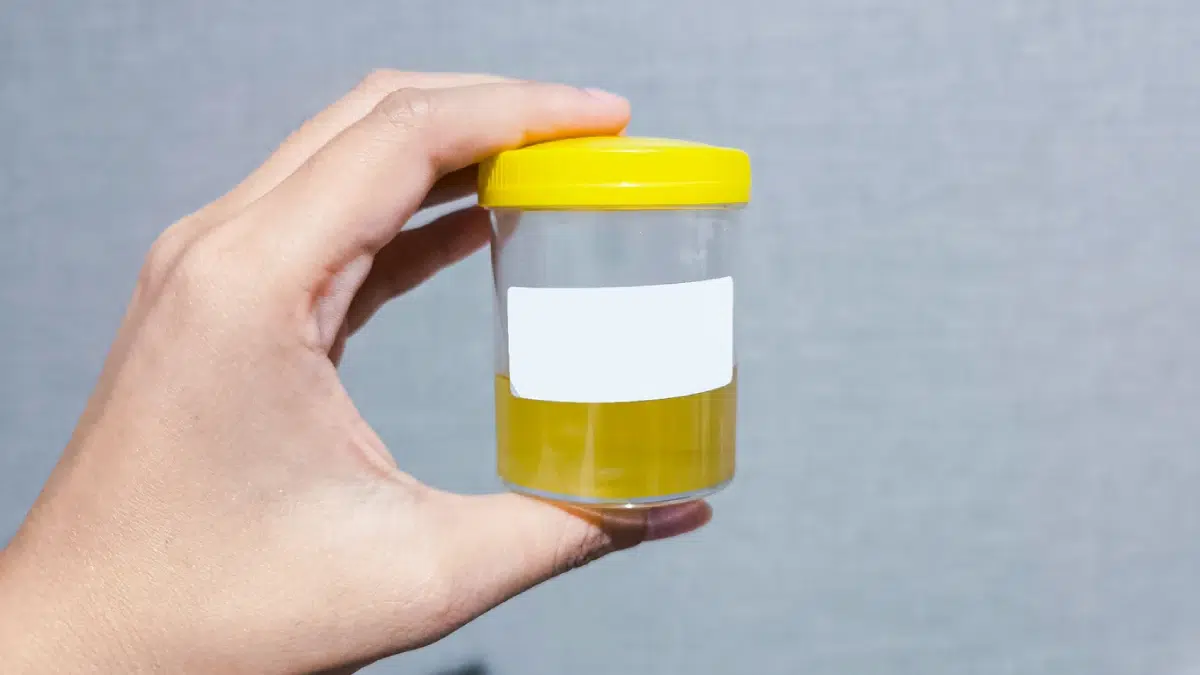


While most people immediately associate a DUI with alcohol consumption and Breathalyzer tests, the reality of modern law enforcement in the Commonwealth is much broader. Whether it is a roadside stop or a post-arrest procedure, chemical testing for controlled substances plays a critical role in how the state builds its case against you.
Navigating the complexities of a DUI defense requires an understanding of how these evaluations function, especially when the state suspects the presence of narcotics, prescription medication, or if you need a specialized drug DUI lawyer to challenge laboratory findings.
In this article, we will lift the curtain on the Virginia DUI evaluation process and drug testing. You will learn about the legal framework of implied consent, the specific protocols officers use to identify drug impairment, and how the results of these tests can impact your freedom.
The Implied Consent and the Virginia DUI Evaluation Process
In Virginia, the law does not distinguish between impairment caused by a six-pack of beer or impairment caused by a prescription sedative or an illicit narcotic. Under Virginia Code § 18.2-266, it is illegal to operate a motor vehicle while under the influence of any narcotic drug or any other self-administered intoxicant or drug of whatsoever nature, or any combination of such drugs, to a degree which impairs the person’s ability to drive or operate any motor vehicle safely. This broad definition means that Virginia DUI evaluation drug tests are a standard tool for law enforcement when the “alphabet soup” of field sobriety tests doesn’t tell the whole story.
The Role of Implied Consent
The evaluation process typically begins at the roadside. If an officer smells marijuana or notices physical indicators like constricted pupils, slurred speech, or a lack of coordination that isn’t explained by a low breath-test result, they will escalate the investigation. This is where the concept of “Implied Consent” becomes paramount. By operating a motor vehicle on Virginia’s highways, you have already legally agreed to submit to a chemical test of your breath or blood if you are arrested for a DUI.
It is essential to recognize that while the preliminary breath test (PBT) administered at the scene is voluntary and its results are typically not admissible in the prosecution’s case-in-chief, the post-arrest chemical test is mandatory. If you refuse this test after a lawful arrest, you face an administrative license suspension and potentially a separate charge for Refusal. While the breath test is the go-to for alcohol, it cannot detect drugs. Therefore, if the officer suspects drug use, they will almost certainly require a blood test.
Drug Recognition Experts and Specialized DUI Impairment Tests in Virginia
When alcohol is ruled out as the primary source of impairment, Virginia law enforcement often calls upon a specialized officer known as a Drug Recognition Expert (DRE). The drug recognition evaluation VA process is a standardized, 12-step systematic procedure used to determine if a driver is impaired by one or more drug categories. This evaluation is much more intensive than a standard roadside stop and usually takes place in a controlled environment, such as a police station or a hospital.
The 12-Step DRE Protocol
The DRE follows a specific protocol that is designed to mimic medical evaluations, though it is performed by police officers with specialized training rather than medical doctors. The steps include:
- Breath Alcohol Test: To rule out or confirm the presence of alcohol as the sole source of impairment.
- Interview of the Arresting Officer: The DRE gathers initial observations regarding the suspect’s driving, behavior, and appearance at the scene.
- Preliminary Examination: This includes checking the suspect’s pulse and general health to ensure they aren’t suffering from a medical emergency.
- Eye Examinations: Looking for Horizontal Gaze Nystagmus (HGN), vertical nystagmus, and lack of convergence. These involuntary eye movements can indicate different classes of drugs.
- Psychophysical Tests: Modified versions of the “walk and turn,” “one-leg stand,” and the Romberg Balance test.
- Vital Signs: Measuring blood pressure, temperature, and pulse at multiple intervals to see how the suspect’s body is reacting.
- Dark Room Examinations: Using a pupillometer to check pupil size under different lighting conditions (near-total darkness, indirect light, and direct light).
- Examination of Muscle Tone: Certain drugs, like stimulants, cause rigid muscles, while others, like depressants, cause flaccidity.
- Check for Injection Sites: Looking for physical evidence of intravenous drug use.
- Suspect’s Statements and Other Observations: Recording any admissions made by the driver or unusual behaviors observed during the evaluation.
- Opinion of the Evaluator: Based on the totality of the physical evidence and observations, the DRE forms a conclusion on whether the suspect is impaired and by which drug category.
- Toxicological Examination: This is the final “drug test” part of the evaluation, usually a blood draw sent to the Department of Forensic Science (DFS) for screening and confirmation.
Challenges to Laboratory Accuracy and the Role of Forensic Science
The “drug test” phase of the evaluation—the toxicological examination—is often viewed as the “smoking gun” by prosecutors. However, forensic toxicology is a complex field prone to human and mechanical error. When blood is drawn for a Virginia DUI case, it must follow a specific chain of custody and be analyzed using sophisticated equipment that requires meticulous maintenance.
Chain of Custody and Sample Integrity
In Virginia, the Department of Forensic Science (DFS) handles the majority of DUI drug testing. From the moment the blood is drawn at a hospital or police station, it must be sealed and tracked. Any break in this chain—if the sample is left in a warm car, mislabeled, or stored improperly—can lead to issues like “neo-formation” of substances or degradation of the sample. For example, if a sample is not properly refrigerated, certain drugs can break down, while bacteria can actually produce alcohol-like compounds, leading to inaccurate results.
Technical Limitations: GC-MS and LC-MS/MS
The laboratory equipment used by the DFS, such as Gas Chromatography-Mass Spectrometry (GC-MS) or Liquid Chromatography-Tandem Mass Spectrometry (LC-MS/MS), requires precise calibration. These machines identify substances by their molecular weight and the way they move through a medium. However, if the machines are not maintained according to strict schedules, or if the “standards” used to calibrate them have expired or are contaminated, the results they produce are scientifically suspect.
A seasoned attorney knows how to demand the “litigation package” from the state laboratory. This package includes the raw data, chromatograms, and calibration logs. By scrutinizing these documents, a defense attorney can often identify “noise” in the data or anomalies that suggest the machine was not functioning correctly at the time of the test.
Presence vs. Impairment: The Tolerance Factor
Another critical point of contention is the difference between “presence” and “impairment.” Unlike the 0.08 alcohol limit, there is no universally accepted scientific threshold for when most drugs—especially prescription medications—actually impair driving.
For instance, a patient who has been on a stable dose of a narcotic analgesic for chronic pain for years may have a blood concentration that would be debilitating for a non-user, yet they may be perfectly safe to drive because they have developed a physiological tolerance. In these instances, the chemical test shows the drug is there, but it does not prove the driver was “under the influence” to the point of being unsafe. This is a common area where expert testimony can be used to challenge the prosecution’s narrative.
Conclusion: Securing Expert Defense with Scott C. Nolan
Drug tests are an integral and often intimidating part of the DUI landscape in Virginia. From the moment of “implied consent” to the complex 12-step DRE evaluation and the final laboratory blood analysis, the Commonwealth uses every tool at its disposal to secure a conviction.
However, these tests are not the final word. Between the subjectivity of the officers and the potential for laboratory error, there are numerous avenues for a strong defense. By understanding the DUI evaluation process Virginia uses, you empower yourself to fight back against the charges. Remember that a positive drug test does not always equal impairment at the time of driving.
If you or a loved one is facing a DUI charge involving drug testing, time is of the essence. Evidence needs to be preserved, and the laboratory results must be challenged early in the process. Contact Scott C. Nolan today to schedule a consultation and begin building a defense that protects your rights, your license, and your future.