

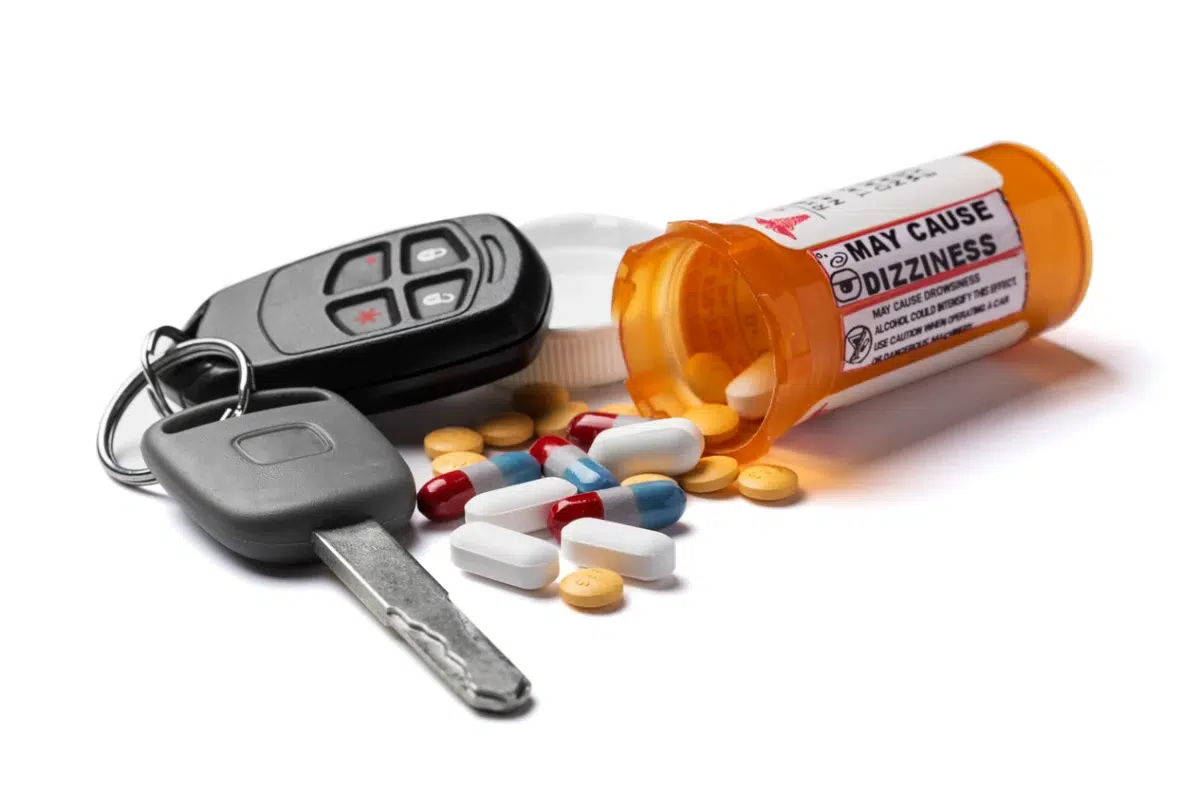



Most drivers understand that getting behind the wheel after a few drinks is a recipe for legal disaster. However, a significant number of Virginians are surprised to learn that their morning allergy pill or a prescribed sleep aid could lead to the same handcuffs and courtroom battles as a night at the bar. If you have ever wondered, “Can You Get a DUI on Prescription or Over-The-Counter Drugs?” the answer is a definitive and sobering “yes.”
In the Commonwealth of Virginia, the law does not care if your impairment comes from a bottle of whiskey or a bottle of Benadryl; if you cannot safely operate a motor vehicle, you are at risk of arrest. Managing the complexities of a DUID (Driving Under the Influence of Drugs) charge requires a sophisticated understanding of both medical science and state statutes.
At the Law Office of Scott C. Nolan, we provide aggressive DUI defense for those facing these unique challenges. Understanding how Virginia defines impairment is the first step in protecting your future, much like understanding the nuances of related charges handled by a marijuana DUI lawyer in Northern Virginia.
Understanding Virginia’s DUID Laws
Virginia Code § 18.2-266 is the primary statute governing intoxicated driving. It explicitly prohibits operating a motor vehicle while under the influence of any narcotic drug or any other self-administered intoxicant or drug of whatsoever nature. The phrase “of whatsoever nature” is critical here because it serves as a catch-all that includes legal, life-saving prescriptions and everyday over-the-counter (OTC) medications.
In a traditional alcohol-based DUI, the “per se” limit is 0.08% Blood Alcohol Content (BAC). For drugs, the standard is often more subjective. While the law lists specific thresholds for certain illegal substances like cocaine or methamphetamines, prescription medication DUI cases usually focus on whether the substance impaired the driver’s “ability to operate a motor vehicle, engine, or train safely.” This means you can be arrested even if you are taking exactly the dosage your doctor recommended.
Why Prescription Drugs Lead to DUI Charges in Fairfax, VA
It is a common misconception that a valid prescription is a “get out of jail free” card. While you may have a legal right to possess and consume the medication, you do not have a legal right to drive while impaired by it. Law enforcement officers in Northern Virginia are increasingly trained to spot prescription drug impairment symptoms during routine traffic stops.
Several classes of prescription drugs frequently result in DUI charges. Opioids and painkillers, such as OxyContin or Vicodin, can cause significant drowsiness and delayed reaction times. Benzodiazepines like Xanax or Valium, often prescribed for anxiety, can have sedative effects similar to alcohol. Even stimulants prescribed for ADHD, such as Adderall or Ritalin, can lead to erratic driving or “crashing” once the effects wear off. If a police officer observes weaving, slow responses, or glassy eyes, they will likely initiate a DUI investigation regardless of the source of the impairment.
The Surprising Danger of Over-the-Counter Medications
When people ask, “Can You Get a DUI on Prescription or Over-The-Counter Drugs?” they are often most shocked by the OTC aspect. Many household medicines that you can buy at any Fairfax pharmacy without a prescription carry significant side effects. These drugs are ubiquitous, making DUI of over-the-counter drugs in Fairfax a more common legal issue than many realize.
Antihistamines are perhaps the most frequent culprits. Older generations of allergy medications, like diphenhydramine (Benadryl), are known to cause extreme lethargy. Taking a single dose before a long commute can result in “drowsy driving,” which Virginia law often treats as impairment.
Similarly, multi-symptom cold and flu medicines often contain alcohol or sleep-inducing agents. If you are stopped and admit to taking these medications, or if an officer finds them in your cup holder, it can provide the probable cause necessary for an arrest and subsequent blood test.
How Police Identify Drug Impairment During a Stop
Unlike alcohol, which an officer can detect via the smell on a driver’s breath, drugs are harder to identify at the roadside. This is where Drug Recognition Experts (DREs) come into play. A DRE is a police officer with specialized training to identify the physiological signs of various drug categories. During a stop for DUI of prescription drugs in Fairfax, an officer may look for specific indicators that go beyond the standard “one-leg stand” or “walk and turn” tests.
The officer will check for things like pupil size (dilated or constricted), pulse rate, and the presence of horizontal gaze nystagmus (involuntary jerking of the eye). They may also examine your mouth for “cotton mouth” or look for injection sites. If they suspect you are under the influence of something other than alcohol, they will likely request a blood test. Under Virginia’s “implied consent” law, refusing this test after a lawful arrest can lead to an automatic one-year license suspension, independent of the DUI charge itself.
The Role of Blood Tests in Virginia DUID Cases
Because there is no “breathalyzer” for Xanax or cough syrup, the prosecution relies heavily on toxicology reports. A blood draw is the standard method for proving Virginia DUID prescription meds cases. However, these tests are not infallible. A blood test can show the presence of a drug in your system, but it doesn’t always prove impairment at the time you were driving.
Many prescription medications have long half-lives, meaning they can stay in your bloodstream for days or even weeks after the therapeutic effects have ended. An experienced Fairfax drug DUI lawyer knows how to challenge these results. We look at whether the concentration of the drug found was within a therapeutic range and whether the lab followed strict chain-of-custody and testing protocols. Without a clear link between the chemicals in your blood and your actual behavior behind the wheel, the prosecution’s case may begin to crumble.
The Penalties for a Drug-Related DUI in Fairfax
The consequences of a conviction are severe and long-lasting. DUI of prescription drug penalties mirror those of alcohol-related offenses. For a first offense, you face a mandatory minimum fine of $250, a one-year driver’s license revocation, and the requirement to complete the Virginia Alcohol Safety Action Program (VASAP). Depending on the level of impairment and the presence of minors in the car, you could also face active jail time.
Beyond the courtroom, a DUID conviction creates a permanent criminal record. This can affect your current employment, especially if your job involves driving or professional licensing. It can also lead to skyrocketing insurance premiums. Because society often views “drug” charges differently than “alcohol” charges, the social stigma can be even more damaging. This is why securing Fairfax DUI legal help as soon as possible is vital to mitigating these life-altering outcomes.
Potential Defenses Against Prescription and OTC DUI Charges
Defending against a DUID charge requires a different strategy than a standard DUI. Since the substance involved is often legal, the defense typically centers on the lack of actual impairment or procedural errors made by law enforcement.
- Therapeutic Levels: If your blood test shows the medication was at a level consistent with your prescribed dose, it can be argued that you were not “under the influence” as defined by law.
- Involuntary Intoxication: In rare cases, if a medication had an unexpected or “paradoxical” effect that you could not have reasonably anticipated, this may serve as a defense.
- Lack of Probable Cause: If the initial traffic stop was illegal, any evidence gathered afterward—including the blood test—may be suppressed.
- Medical Conditions: Certain medical conditions can mimic the signs of drug impairment, such as diabetes, neurological issues, or even extreme fatigue not related to medication.
Working with a dedicated prescription drug DUI defense attorney allows you to explore these avenues. We often consult with toxicologists and medical experts to explain to a jury why the presence of a medication does not equate to criminal conduct.
Why You Need a Fairfax DUI Prescription Medication Attorney
The legal system is not designed to be sympathetic to the “accidental” intoxicated driver. Prosecutors in Virginia are often aggressive, and judges take a hard line on any form of impaired driving. Navigating this environment alone or with an attorney who lacks specific DUID experience is a significant risk. Your defense should reflect the reality of your situation, not the simplified version presented by the police report.
Contact Scott C. Nolan for Expert Defense
If you find yourself facing the daunting prospect of a DUID charge, do not lose hope; an arrest is not a conviction. You deserve a defense that considers the nuances of your medical history and the specific circumstances of your stop.
Do not let a simple prescription or a cold remedy define your future. Reach out to the Law Office of Scott C. Nolan today for a consultation. Let us provide the Fairfax DUI legal help you need to protect your license, your career, and your freedom.