


Fairfax Probation Violation Lawyer
defends those accused of probation violations
Jail sentences and fines are only two of the penalties that judges in Virginia may impose on convicted criminal offenders. Many of the people convicted of crimes in this state are sent back to their communities to serve probation.
Probation allows convicted offenders to remain in their homes, keep their jobs, and provide for their families. However, when a probationer violates the terms and conditions of probation, the consequences can be severe, and a judge may order the probationer to jail or prison. A Fairfax probation violation lawyer can help you understand the charges and advocate for a second chance.
If you are serving probation in Virginia and you are accused of a probation violation, what happens? How can you defend yourself? Can you avoid jail or prison if you are found guilty of violating probation? You’re about to learn the answers and find the help you need. Speaking with an experienced probation violation lawyer early on can significantly improve your chances of a favorable outcome.

How does probation work?
In the Virginia system, probation emphasizes personal accountability while offering a practical alternative to the state prison or the county jail. It’s not for everyone. The most violent criminal suspects – and those with lengthy criminal records – are almost never granted probation. For those who are, a probation violation lawyer in Fairfax can help clarify the terms and offer legal guidance to avoid missteps.
If you are convicted of a crime and sentenced to probation, adhere to its terms and conditions. The last thing you need is to be charged with a violation of probation or “VOP.” A qualified probation violation lawyer can step in if you’re accused of violating any of the following conditions:
- regularly meeting with a probation officer
- not committing any crime, not owning a firearm, and not using any illegal drugs
- not leaving the state without permission
- keeping a job (or finding one)
- avoiding known criminal acquaintances
- submitting to unannounced searches and drug screenings
- attending and participating in court-ordered classes, treatment, or counseling
What constitutes a violation of probation?
Violation of probation or VOP is a criminal charge. Here are some of the more common probation violations:
- failure to appear as scheduled in court
- failure to report to a probation officer
- failure to pay any fines, fees, or restitution ordered by the court
- failure to perform community service or complete court-ordered treatment or counseling
- fraternizing with criminal acquaintances
- committing any crime including possessing, using, or selling illegal drugs
- not completing community service or court-ordered drug or alcohol counseling
- not retaining or not obtaining employment
- unauthorized out-of-state travel
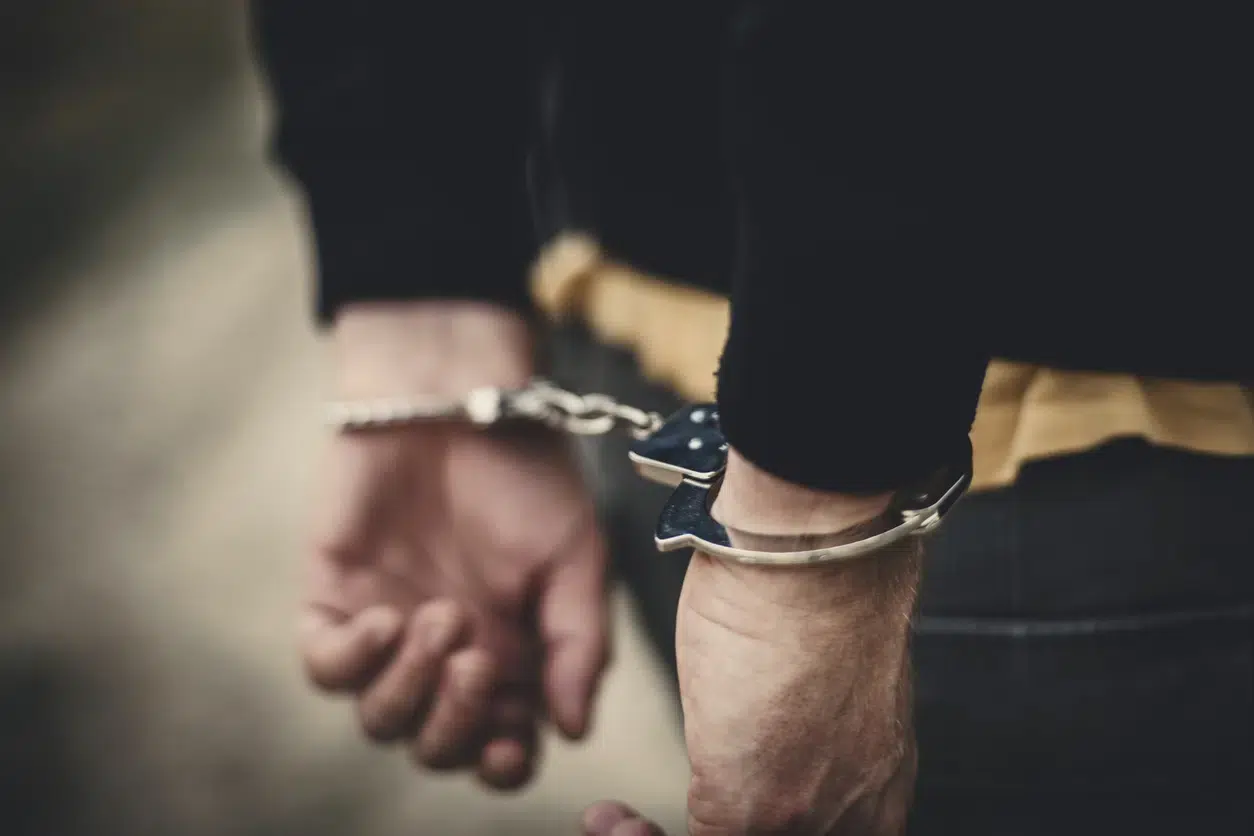
What happens if a probation violation is suspected?
The consequences of a VOP conviction will hinge on the nature of the violation, the nature of the original, underlying crime, and whether it’s your first alleged violation or a subsequent offense. Listed here are some of the potential penalties for VOP convictions in Virginia:
- Probation may be revoked, and the probationer may be ordered to jail or prison.
- A short jail sentence may be ordered.
- Additional conditions may be added to the probation.
- The period of probation may be extended.
can you fight a violations of probation charge?
The consequences of a VOP conviction will hinge on the nature of the violation, the nature of the original, underlying crime, and whether it’s your first alleged violation or a subsequent offense. A skilled probation violation lawyer can help you present your case effectively and work to minimize the consequences. Listed here are some of the potential penalties for VOP convictions in Virginia:
- Probation may be revoked, and the probationer may be ordered to jail or prison.
- A short jail sentence may be ordered.
- Additional conditions may be added to the probation.
- The period of probation may be extended.
A privilege and an opportunity
When you’ve been convicted of a crime in Virginia, probation is a privilege – not a right. It’s an opportunity to get things right without going to jail. You do not want to lose that privilege and opportunity.
Take full advantage of probation – if that’s your sentence – and avoid any further legal trouble by adhering strictly to your probation’s terms and conditions. That’s the best course.


If you face a VOP charge in fairfax
Nevertheless, if you are facing a VOP charge, you cannot face it alone. Fairfax criminal defense attorney Scott C. Nolan, PLLC will represent you at a VOP hearing and bring the matter to a fair and just resolution.
Since 2000, attorney Scott C. Nolan, PLLC has represented clients charged with crimes ranging from traffic violations to violent felonies in Northern Virginia’s state and federal courts. He knows how important it is to avoid a VOP conviction.
To learn more or to schedule a consultation, call his law offices or contact him online. The Law Office of Scott C. Nolan, PLLC has established a reputation for legal excellence, and he offers aggressive, effective representation to clients accused of violating probation in Fairfax and across Northern Virginia.
Fairfax Probation Violation Lawyer FAQs
Probation violations in Virginia can include failing to report to your probation officer, missing scheduled court appearances, failing drug tests, committing new crimes, or violating any other terms set by the court.
Penalties can range from extended probation, additional conditions, fines, community service, or even revocation of probation leading to incarceration, depending on the severity of the violation.
A first probation violation defense may involve negotiating with the court for a warning, reduced penalties, or modifications to the probation conditions. Evidence demonstrating compliance or mitigating circumstances can help.
The process involves a formal hearing where the court reviews evidence and determines if the probation terms were violated. The judge can then impose additional sanctions or revoke probation entirely.
A probation violation is a breach of court-ordered probation terms, whereas a new criminal charge involves committing a separate criminal offense. Both can affect your legal status, but violations focus on probation compliance.
Fighting probation violation charges typically involves presenting evidence that disproves the alleged violation, negotiating with the probation officer or court, or demonstrating mitigating circumstances.
Evidence may include proof of compliance with probation terms, witness statements, documentation of extenuating circumstances, or records that challenge the violation allegations.
Supervised probation violations often involve closer monitoring and more frequent reporting requirements, whereas unsupervised probation violations may relate to other terms like fines, community service, or not committing new offenses.
Consequences can include extended probation, stricter supervision, fines, community service, or imprisonment if the court deems the violation serious.
During the hearing, the court reviews evidence, hears testimony from both sides, and decides whether the probation terms were violated and what penalties to impose.
Yes. A skilled probation violation lawyer like Scott Nolan can help navigate the legal process, present defenses, negotiate with the court, and protect your rights.
Yes. Courts may modify probation conditions as an alternative to revocation, especially if it is a first-time violation or if mitigating circumstances exist.
The timeline varies, but you are generally required to appear at a scheduled hearing or respond promptly to the court or probation officer. Failing to respond can lead to more severe penalties.
In many cases, especially for first-time or minor violations, legal representation can help negotiate alternatives such as community service, increased supervision, or probation modification to avoid incarceration.
Scott Nolan can review the violation details, gather evidence, represent you in court, negotiate with probation officers, and work to minimize or avoid penalties while protecting your rights.