


Fairfax Warrant Lawyer
Helps clients deal with arrest and search warrants
The government can’t just break into your home or take you into custody for no good reason. Law enforcement authorities must have a reasonable belief that you have broken the law – or that you’re in possession of evidence – before they can arrest you or search your home or business.
In fact, in most cases, the police must obtain a warrant from a judge before they can arrest you or search your home or workplace. Many criminal cases in Virginia involve a warrant – either a search warrant or an arrest warrant.
Here’s what people in the Fairfax area should know about both types of warrants.
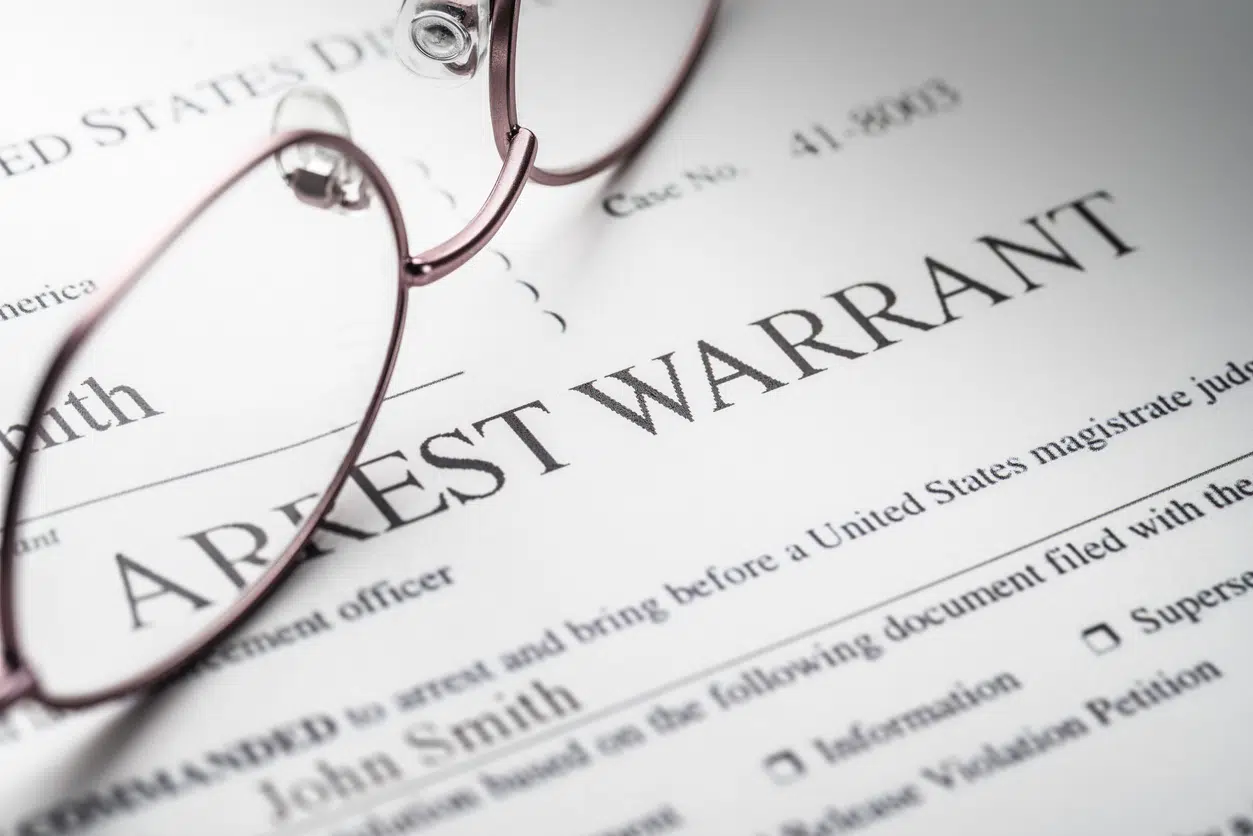
What are the rules regarding search warrants?
The U.S. Constitution specifically protects you against unreasonable searches and seizures. It requires law enforcement officers to obtain a search warrant before they can enter your home or workplace to search for evidence related to criminal investigations.
A search warrant must specifically identify the evidence being sought, the nature of that evidence, and the location or locations that will be searched. A precise description of any evidence that may be seized must be included in the warrant.
What is curtilage?
The term “curtilage” in a search warrant may refer to a lawn, garden, driveway, patio, or any section of a property apart from the main building. An automobile on the property is also part of the curtilage.
Search warrants must also provide for the property owner or resident to receive a written inventory of any items taken by the police.

How do arrest warrants work?
Virginia police officers can place a suspect under arrest with no warrant if an officer personally sees a suspect breaking the law. Driving under the influence arrests, for instance, are unwarranted arrests.
But in most cases, if the police did not see you commit a crime, they cannot arrest you without a warrant. If someone is suspected of a crime, and if law enforcement officials have “reasonable cause” for that suspicion, they may ask a judge to issue an arrest warrant.
When arrest warrants are issued, police officers may arrest suspects at their homes or at their jobs. In these circumstances, officers are usually required to knock and identify themselves, but they may enter a residence or workplace by force if they believe:
- The suspect may harm himself or herself.
- The suspect may harm others.
- The suspect may harm the police officers.
- The suspect may be attempting to destroy evidence.
what are “bench” warrants?
Bench warrants are arrest warrants that a judge issues when a defendant fails to appear in court as scheduled. Failure to appear is a leading reason for bench warrants in Virginia. A bench warrant may also be issued when a probationer is accused of violating his or her probation.
An arrest is the only police action authorized by an arrest warrant. If a search is conducted at the time an arrest is made, law enforcement officers must also have a search warrant or the consent of the resident or property owner – with almost no exceptions.
Police officers have the right to search your “person” (your body, clothes, pockets, and shoes) to protect themselves when making an arrest, but that right does not extend to searching your home, workplace, or vehicle. Tell your attorney if you suspect that an illegal search was made.
For some more information, read our post on what to do is a police officer wants to search your vehicle.

If you are named in an arrest warrant
In some cases, people aren’t aware that arrest warrants for them have been issued. In Northern Virginia, if you learn that an arrest warrant has been issued with your name on it, you can’t afford to be represented by the wrong defense attorney.
For two decades, Fairfax criminal defense lawyer The Law Office of Scott C. Nolan, PLLC has represented individuals charged with crimes and named in arrest warrants in the Fairfax area.
He can determine if the police are looking for you, learn the details of the charge, arrange for you to turn yourself in, and then fight aggressively for the justice you need and deserve.
How to get the help you need in fairfax
When you seek an attorney’s help to determine if there is a warrant for your arrest, be ready to turn yourself in. It is genuinely your only practical option. If you flee to another state, you may be arrested there and extradited back to Virginia, and you’ll face additional charges.
If you are arrested for any crime, or if you believe that your name is on an arrest warrant, let Fairfax warrants attorney
Scott C. Nolan, PLLC help. Since 2000, he has diligently and aggressively defended clients who face criminal charges in Northern Virginia’s state and federal courts.
To learn more or to arrange a legal consultation, call the law offices of The Law Office of Scott C. Nolan, PLLC or contact him online. If your name is on an arrest warrant, it’s your right to have an experienced attorney’s advice and representation.

Fairfax Warrant Lawyer FAQs
A warrant can be cleared by turning yourself in to the court, paying fines, or working with an attorney to petition for warrant withdrawal or relief.
Law enforcement may arrest you at any time, which could result in jail time, additional charges, or difficulty posting bail.
A bench warrant is issued by a judge for failing to appear in court, while an arrest warrant is issued when law enforcement has probable cause to believe a crime was committed.
Yes, unpaid fines, missed court dates, or unresolved traffic citations can result in warrants being issued by the court.
You can contact a Fairfax attorney to coordinate a safe surrender, often arranging court approval and posting bail if required.
Defenses may include mistaken identity, lack of proper notice, or procedural errors. An attorney can review the case to identify potential defenses.
An attorney can file motions with the court, negotiate with prosecutors, and request emergency relief or recall of the warrant, often avoiding immediate arrest.
Ignoring a warrant can lead to arrest, additional charges, higher bail, and complications with employment, travel, or future court proceedings.
Yes, attorneys can request emergency relief to prevent immediate arrest, allowing clients to resolve the warrant safely and legally.
Certain warrants or charges may be eligible for expungement, particularly if the case was dismissed or resolved favorably. An attorney can determine eligibility.
You can check online court records, contact the clerk’s office, or consult an attorney to confirm the status of any warrants.
Yes, lawyers can negotiate with prosecutors to reduce fines, arrange payment plans, or seek alternative sentencing to resolve the matter efficiently.
Remain calm, contact an attorney immediately, and follow legal advice to ensure your rights are protected and bail is handled properly.
Active warrants can appear in background checks, and if executed, may lead to criminal charges or additional marks on your record.
An attorney ensures you handle warrants safely, prevents unnecessary arrest, navigates court procedures, and works to minimize legal consequences.